
Beat Unwanted Weight Gain
By Dr. John Poothullil, MD
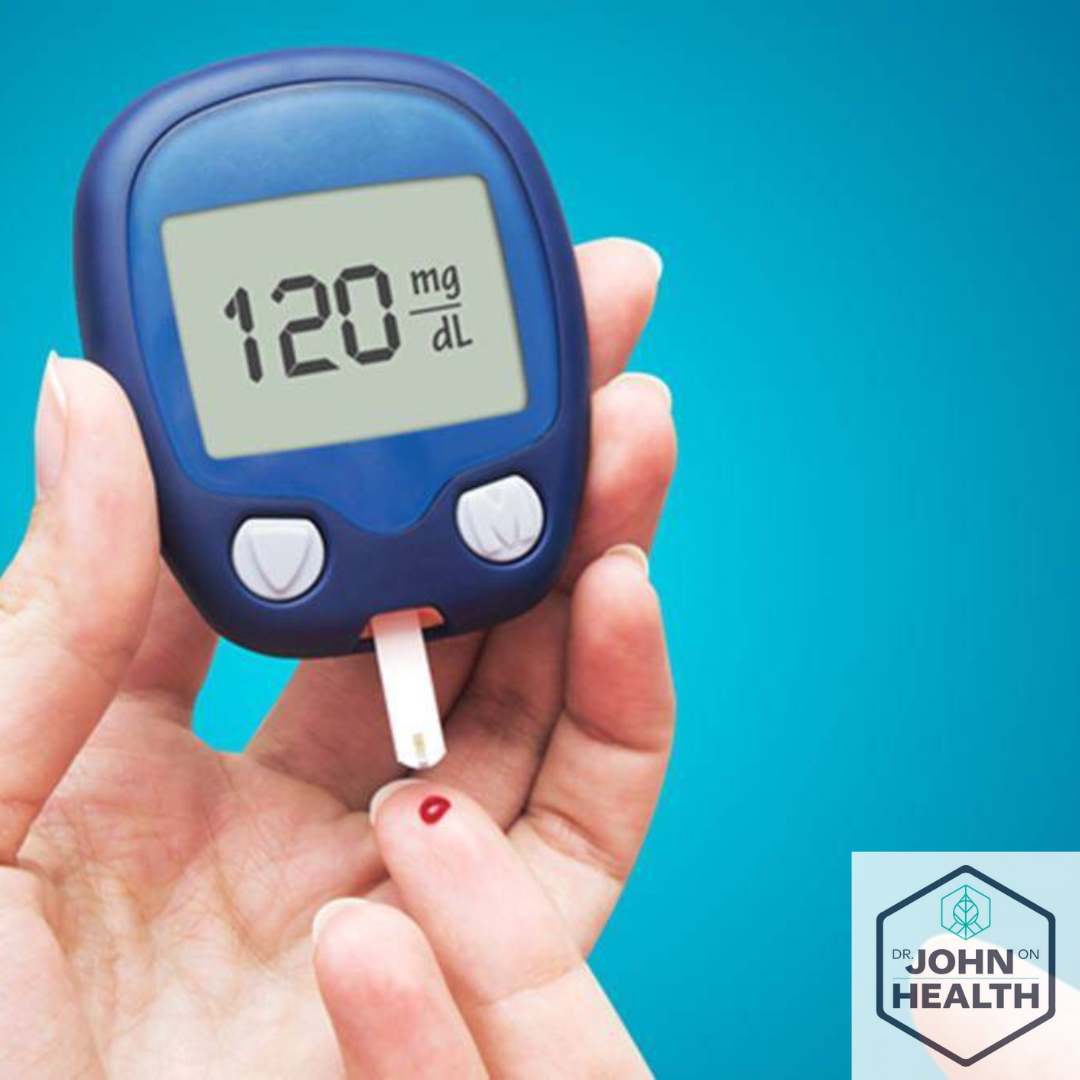
Lowering blood sugar numbers does not always mean fixing diabetes.
Modern medicine often focuses on controlling glucose with medication. Drugs like insulin and metformin can lower blood sugar, but they do not explain why blood sugar rose in the first place.
If the diet continues to drive overeating, blood sugar will keep rising, and medication doses will keep increasing. This treats the symptom, not the cause.
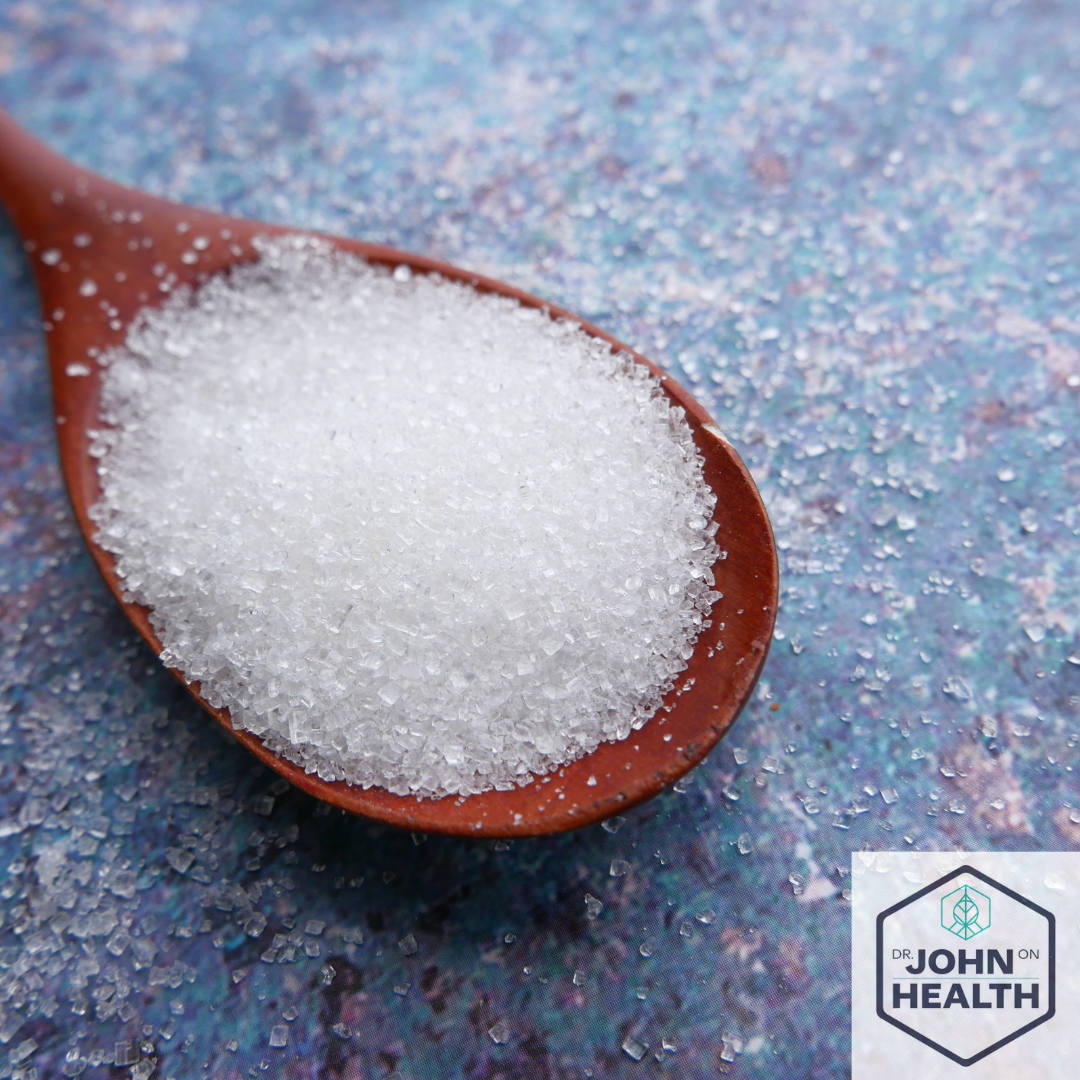
Blood sugar rises when the system is overwhelmed by repeated glucose spikes. Those spikes come mainly from diets heavy in refined carbohydrates and low in nutrients. The body responds by producing more insulin. Over time, insulin stays high, fat stays locked away, hunger increases, and blood sugar becomes harder to control.
Low-acting insulins can reduce glucose temporarily. But if insulin stays high all day, the fat-burning system remains blocked. Hunger remains strong. Weight continues to rise. The underlying metabolic stress remains.
This is why many people need more medication over time instead of less. The system is being managed, not repaired.
True repair means changing the signals that created the problem:
- Stabilizing blood sugar
- Lowering constant insulin stimulation
- Restoring fat-burning
- Nourishing the brain
Food does that. Not pills alone.

Medication can be useful in crisis. But it cannot replace fixing the fuel system.
In Beat Unwanted Weight Gain, I explain why food-based solutions change the outcome. When the cause is addressed, the body can begin to heal—and the need for medication can decrease rather than grow.
That is the difference between managing disease and solving it.
John Poothullil practiced medicine as a pediatrician and allergist for more than 30 years, with 27 of those years in the state of Texas. He received his medical degree from the University of Kerala, India in 1968, after which he did two years of medical residency in Washington, DC and Phoenix, AZ and two years of fellowship, one in Milwaukee, Wisconsin and the other in Ontario, Canada. He began his practice in 1974 and retired in 2008. He holds certifications from the American Board of Pediatrics, The American Board of Allergy & Immunology, and the Canadian Board of Pediatrics.During his medical practice, John became interested in understanding the causes of and interconnections between hunger, satiation, and weight gain. His interest turned into a passion and a multi-decade personal study and research project that led him to read many medical journal articles, medical textbooks, and other scholarly works in biology, biochemistry, physiology, endocrinology, and cellular metabolic functions. This eventually guided Dr. Poothullil to investigate the theory of insulin resistance as it relates to diabetes. Recognizing that this theory was illogical, he spent a few years rethinking the biology behind high blood sugar and finally developed the fatty acid burn switch as the real cause of diabetes.Dr. Poothullil has written articles on hunger and satiation, weight loss, diabetes, and the senses of taste and smell. His articles have been published in medical journals such as Physiology and Behavior, Neuroscience and Biobehavioral Reviews, Journal of Women’s Health, Journal of Applied Research, Nutrition, and Nutritional Neuroscience. His work has been quoted in Woman’s Day, Fitness, Red Book and Woman’s World.Dr. Poothullil resides in Portland, OR and is available for phone and live interviews.To learn more buy the books at: amazon.com/author/drjohnpoothullil
Visit drjohnonhealth.com to learn more. You can also contact him at john@drhohnonhealth.com.
Or follow us on:
Instagram: instagram.com/DrJohnOnHealth
Facebook: facebook.com/JohnOnHealth
Youtube : @DrJohnPoothullil
For more great lifestyle content, see here.
Explore more insights at https://dailymailusa.com/.